Skip to content


Table of Contents
A smile that has gradually taken on a yellow, brown, or orange tint from years of coffee, tea, or simply getting older is one of the more common reasons patients start looking into whitening. What often holds people back, though, is a separate worry entirely, the fear that whitening will leave teeth uncomfortably sensitive for days afterward.
Teeth Whitening at SmileCraft Dental in Leander, TX was built to address both of these concerns together. This article covers what actually causes yellow discoloration, why whitening can cause sensitivity in the first place, and how professional treatment manages that discomfort while still delivering a noticeably brighter result.
What Causes Yellow Discoloration in Teeth?
Surface stains develop from a few common everyday habits:
- Drinking coffee or tea daily
- Smoking
- The natural process of aging
These stains build up gradually on the enamel over time, and this is the type of discoloration whitening tends to address most successfully.
Deeper, intrinsic discoloration is a different matter. This can develop from aging at a structural level, certain medications, or changes happening within the tooth itself, and it tends to respond differently to whitening than surface staining does. Past dental work also factors in here. Tooth colored fillings or crowns in visible areas will not change shade along with the rest of your teeth, which is worth understanding before starting treatment for yellow shades and tooth sensitivity so expectations match what whitening can realistically achieve for your specific smile.
Why Whitening Can Cause Tooth Sensitivity
Whitening agents work by penetrating the enamel to break down the molecules responsible for staining, and this process can temporarily increase how teeth respond to hot, cold, or pressure. This is a genuinely common experience, not something unusual happening to your teeth specifically.
Sensitivity following whitening is usually temporary and tends to resolve within a few days after treatment. It is worth reinforcing that this is a normal, manageable response to the whitening process itself rather than a sign that anything has gone wrong. Understanding this upfront tends to make the experience feel far less concerning if it does happen.
How Professional Teeth Whitening Addresses Both Concerns
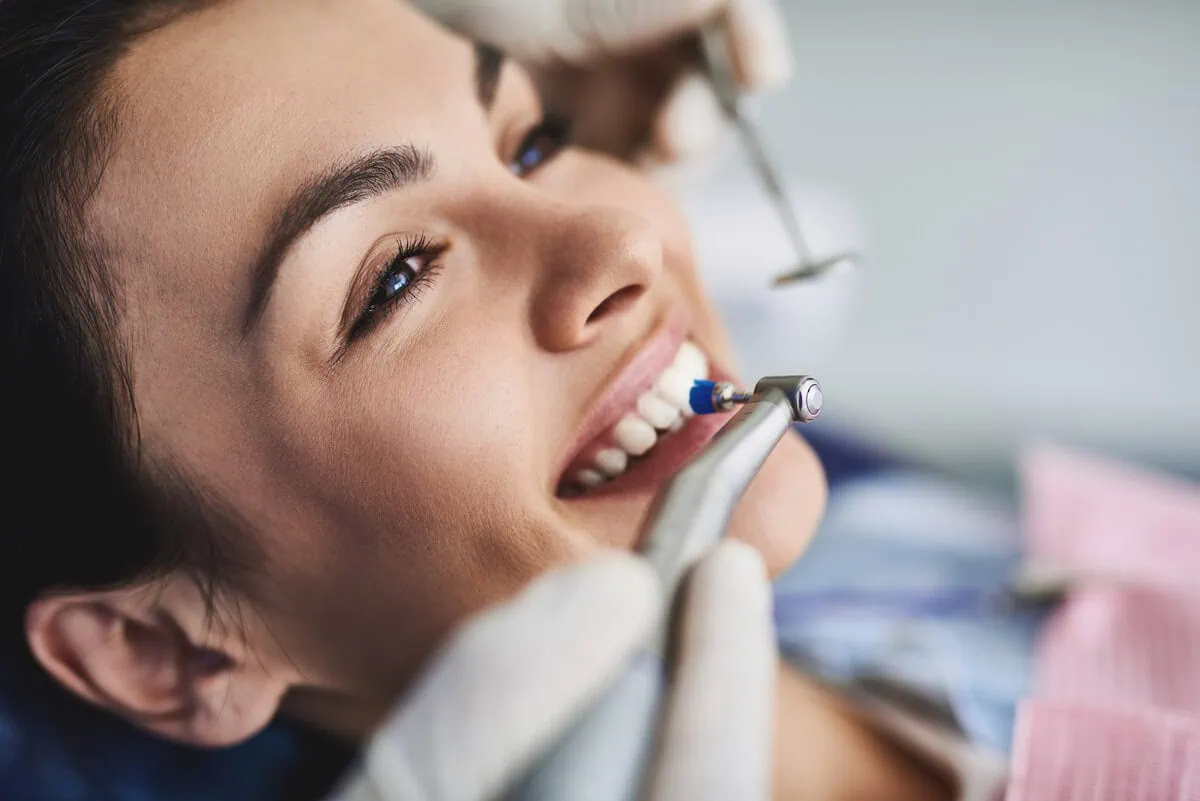
Professional whitening at SmileCraft Dental uses a professional grade bleaching agent applied under a dentist’s direct supervision, which allows for a controlled, monitored approach rather than guesswork. During chair side bleaching, a protective gel is applied over the gums first to prevent direct contact between the bleach and the soft tissue, and the bleaching agent is then applied to the teeth in steps until the desired brightness is reached.
This directly addresses both concerns named in the title. Achieving improving yellow teeth with professional dental bleaching comes from the controlled application itself, while that same supervision is what allows sensitivity to be managed more effectively than an unsupervised approach ever could.
How Professional Whitening Manages Sensitivity Better Than At-Home Options
A dentist can assess whether a patient is a good candidate for whitening and identify sensitivity risk factors before treatment even begins, which is a level of individualized planning that over the counter products simply cannot offer. This assessment step matters more than it might seem.
Professional treatments are also structured with sensitivity in mind, including the protective gel used during chair side bleaching to shield the gums throughout the process. This kind of oversight is genuinely difficult to replicate with a store bought whitening kit used without any guidance, which is part of why reducing yellow shades and tooth enamel sensitivity together tends to work better under professional care than trial and error at home.
How do teeth whitening services reveal a brighter smile while addressing yellow shades and tooth sensitivity?
Professional whitening uses a controlled bleaching agent under a dentist’s supervision to break down surface and some deeper stains, and this level of oversight allows sensitivity to be managed far more effectively than with unsupervised, over the counter options. Many patients notice dramatic brightening in as little as one session, though results and sensitivity both vary depending on the type of discoloration present and individual tooth sensitivity.
What Results Can You Expect, and How Long Do They Last?
Results and timelines depend on which option you choose:
- Chair side bleaching can produce a dramatically whiter smile in about ninety minutes, with results often noticeable the same day
- At home whitening with custom fitted trays typically involves nightly use of professional grade gel for one to two weeks, with results showing within just a couple of days of starting
Many patients notice significant brightening, though results vary depending on the type and severity of discoloration present. It is worth being clear that whitening results are not permanent, and touch up treatments are typically needed to maintain brightness over time, especially with continued exposure to coffee, tea, or other staining habits.
What Does a Professional Whitening Appointment Involve?
Chair side bleaching takes about ninety minutes and is described as pain free with no sedation needed. The process generally follows a few steps:
- A protective gel is applied to the gums to prevent contact with the bleaching agent
- The bleaching agent is applied to the teeth in steps until your desired result is reached
- Custom fitted trays can be provided to enhance the effects further
For patients who prefer more flexibility, an at home whitening system using those same custom trays is available, allowing you to whiten while you sleep over one to two weeks. Either option offers cosmetic teeth bleaching for removing yellow discoloration safely, and your dentist can help determine which approach fits your schedule and goals.
Is Professional Teeth Whitening Right for You?
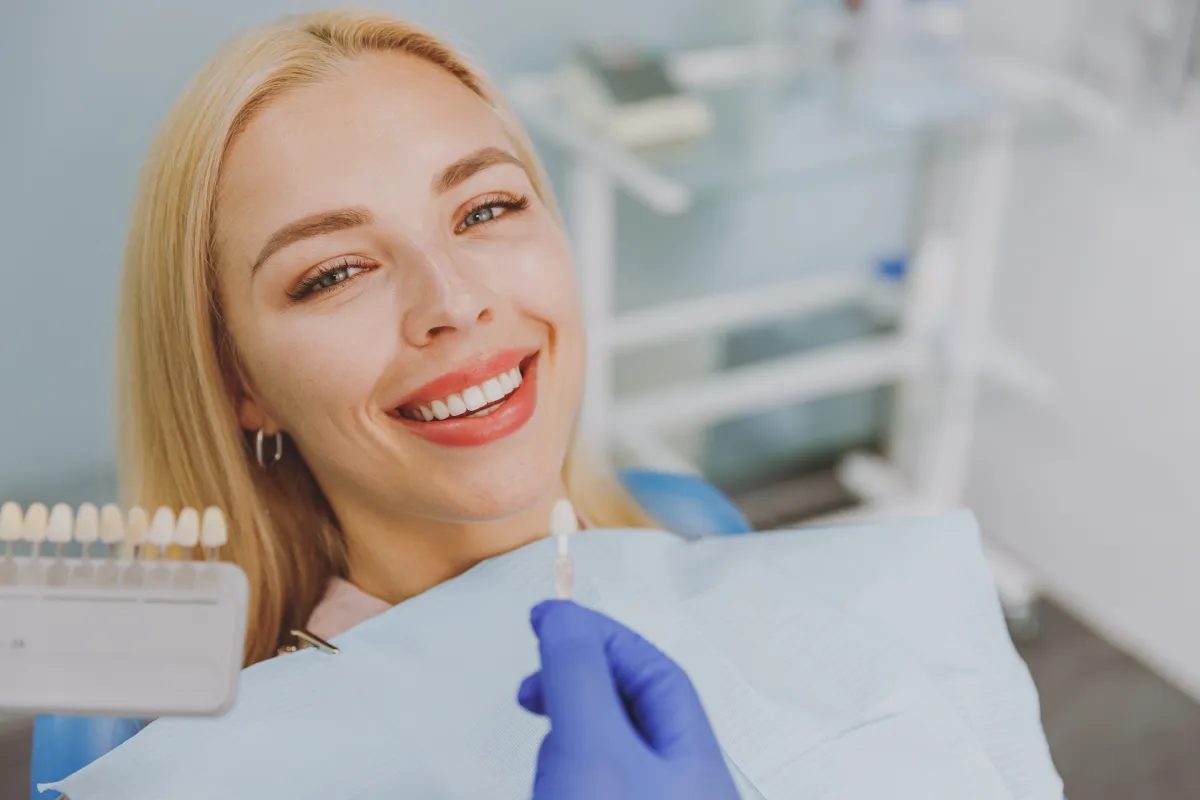
Patients dealing with surface staining from coffee, tea, smoking, or general aging, who are looking for a noticeable brightening effect under professional supervision, tend to be strong candidates for cosmetic dental whitening in Leander, TX.
Patients with significant intrinsic discoloration, visible tooth colored fillings or crowns that will not whiten along with natural teeth, or a history of significant tooth sensitivity should talk with a dentist first. In some of these cases, alternative solutions like porcelain veneers may be a better fit, which is exactly the kind of option worth discussing during a consultation rather than assuming whitening is the only path forward.
Ready for a Brighter, More Comfortable Smile?
If yellow discoloration or worries about sensitivity have kept you from trying professional whitening, a consultation is the clearest way to find the right approach for your teeth. The team at SmileCraft Dental can evaluate your specific type of tooth discoloration and help you choose between chairside bleaching and an at-home whitening system to achieve a brighter, whiter smile with customized teeth whitening treatment.
Contact us to get started, and our team will help you find the right approach for your smile. Schedule a consultation for teeth whitening services.